How To Choose the Right Windshield Wipers for Your Car Model
Car accessories
|
April 4, 2026
Wrong windshield wipers leave streaks across your field of vision at exactly the moment you need to see clearly. Getting the size, type, and attachment wrong wastes money and creates a genuinely dangerous situation during heavy rain.
Choosing correctly takes about ten minutes of focused attention before any purchase. These steps walk through exactly what to check, measure, compare, and install to get wipers that actually perform on your specific vehicle.
Find Your Correct Wiper Blade Size
Your driver's side and passenger's side wiper blades are almost always different lengths, and swapping them produces immediate problems. The driver's blade typically runs longer, anywhere from 20 to 28 inches on most passenger vehicles. The passenger side commonly measures 16 to 22 inches. Using identical lengths on both sides creates coverage gaps or interference between blades.
Three reliable methods confirm your correct sizes. First, check your owner's manual where wiper sizes appear in the maintenance section. Second, use the fitment guide available at any auto parts store where staff enter your year, make, and model to pull exact specifications. Third, measure your current blades from tip to tip while they're still on your vehicle before removing anything.
Never guess based on what looks approximately right. A 24-inch blade installed where a 26-inch belongs leaves a visibility gap precisely where your sight line falls during highway driving.
Read Your Owner's Manual for Wiper Specifications
Your owner's manual lists wiper blade sizes in the maintenance or specifications section, typically within a quick-reference chart covering fluid capacities, bulb types, and wiper sizes together. The format usually reads something like "Driver: 26 inch / Passenger: 18 inch / Rear: 14 inch" for vehicles equipped with a rear wiper.
Some manuals from vehicles made after 2018 list wiper sizes in millimeters rather than inches, particularly European brands including BMW, Mercedes-Benz, Volkswagen, and Volvo. Converting is straightforward: 650mm equals approximately 26 inches, 450mm equals approximately 18 inches. Confirming this before purchasing prevents buying blades that appear correct by inch measurement but don't fit the attachment hardware.
If your manual is missing, the manufacturer's official website publishes owner's manual PDFs for most models going back 15 or more years. This takes three minutes and provides authoritative information directly rather than relying on third-party fitment databases that occasionally contain errors for less common vehicle configurations.
Identify Your Wiper Blade Attachment Type
Wiper blade attachment type matters as much as blade length, and this is where many buyers get caught out. Modern vehicles use several different connector systems that are not interchangeable. The most common attachment in North American vehicles is the J-hook or hook-style connector, which accounts for roughly 60% of vehicles currently on the road.
Pinch tab connectors appear frequently on GM vehicles and require squeezing a release tab from a specific angle before the blade detaches. Side pin connections appear on many European and Asian vehicles. Bayonet style connectors attach differently again, common on several Ford models. Top lock and slim top connectors cover additional variations found on specific manufacturers.
The fastest way to identify yours is looking at where the wiper arm connects to the blade while the arm is raised. Beam blades sold by Bosch[1] and other major brands include adapter kits covering the most common attachment types in the box, which is genuinely useful if you're unsure about your specific connector style.
Choose Between Conventional, Beam, and Hybrid Wipers
Conventional bracket wipers use a metal frame with multiple contact points pressing the rubber blade against your windshield. They cost $10 to $20 per blade and work adequately in mild weather. The frame design collects ice, snow, and debris that interrupts contact pressure and causes skipping and streaking during winter precipitation.
Beam wipers use a single curved piece of material without any external frame, maintaining consistent pressure across the entire blade length through internal tension. Bosch ICON beam wipers cost $25 to $35 per blade and consistently outperform conventional options in rain, snow, and extreme temperature swings. The frameless design eliminates the ice packing problem entirely.
Hybrid wipers encase a conventional bracket frame inside a hard plastic shell that protects against debris and ice accumulation while maintaining consistent pressure similar to beam designs. Michelin Stealth Ultra hybrid wipers cost approximately $20 to $28 per blade and represent a practical middle ground for drivers in climates with moderate winter conditions who want better performance than conventional wipers without the full beam wiper price.
Select Wipers Based on Your Climate
Climate determines which wiper type delivers the best long-term value for your specific location. Drivers in the Pacific Northwest, Great Lakes region, or anywhere experiencing more than 40 inches of annual rainfall benefit from beam wipers that maintain consistent contact pressure regardless of how much water they're moving.
Winter-specific wiper blades exist for drivers in regions experiencing significant snowfall, typically the upper Midwest, New England, and mountain states. Trico Ice winter wipers cost around $18 per blade and use a rubber boot covering the entire blade assembly that prevents snow and ice from interfering with the wiper mechanism. They handle ice and sleet conditions where standard beam wipers sometimes struggle at temperatures below 15 degrees Fahrenheit.
Drivers in consistently hot, dry climates like Arizona, Nevada, and Southern California prioritize UV resistance in rubber compound selection. Standard rubber compounds crack and stiffen after prolonged UV exposure, producing chattering on the rare occasions rain actually falls. Silicone blade compounds resist UV degradation significantly better than natural rubber alternatives.
Evaluate Rubber Compound Quality
The rubber compound touching your windshield determines streak-free performance more directly than blade type or price. Natural rubber performs well in moderate temperatures but hardens below freezing and degrades under prolonged UV exposure. Synthetic rubber blends resist temperature extremes better and last longer between replacements.
Silicone compounds represent the premium option, lasting up to twice as long as natural rubber while maintaining flexibility across a wider temperature range. PIAA Super Silicone wiper blades cost $40 to $55 per blade but last approximately two years under regular use conditions. Drivers in extreme climates report noticeably longer service life compared to conventional rubber blades replaced every six to eight months.
Graphite-coated rubber blades reduce friction against your windshield, producing quieter operation and smoother wiping action. Rain-X wipers use graphite coating combined with water-repelling compounds that coat your windshield during operation, causing water to bead and roll off even between wiper sweeps. The combined effect noticeably improves wet weather visibility beyond what blade performance alone provides.

Check Wiper Arm Condition Before Installing New Blades
New wiper blades on worn wiper arms produce disappointing results that lead to wrongly blaming the blades. Wiper arms apply the spring tension that presses blades against your windshield. Arms that have lost tension from years of use allow blades to lift away from the glass at highway speeds above 55 mph, leaving the top portion of your windshield completely uncleared.
Test arm tension by lifting each arm away from the windshield and releasing it. A healthy arm snaps back firmly against the glass. An arm that lowers slowly or rests against the glass without audible snap contact has lost adequate spring tension and needs replacement regardless of how good your new blades are.
Wiper arm replacement[2] costs $15 to $40 per arm in parts and installs with a single nut in most cases. Replacing arms and blades simultaneously on a vehicle over eight years old makes practical sense since the improvement in wiping performance is immediate and noticeable compared to installing premium blades on tired arms.
Install Wiper Blades Without Damaging Your Windshield
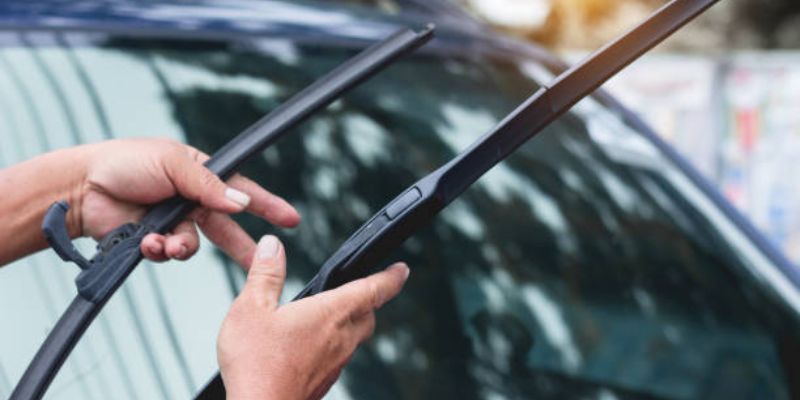
Raise the wiper arm away from the windshield until it locks in the upright position. Never allow a raised arm without a blade attached to snap back against bare glass, as the metal arm hitting glass cracks windshields with surprising reliability and creates an expensive mistake that ruins an otherwise straightforward job.
Locate the release tab or button on the wiper blade connector where it meets the arm hook. Press or pinch the release depending on your connector type and pivot the blade downward and away from the arm. The old blade slides off once the connector clears the hook completely. Keep one hand supporting the arm throughout removal.
Align the new blade's connector with the arm hook and push upward until you hear and feel a definite click confirming secure engagement. Tug the blade firmly toward the windshield to verify it won't release accidentally. Lower the arm gently rather than letting it snap down. Repeat for the passenger side, then test both blades running through several complete sweep cycles before driving.
Know When Wiper Blades Need Replacing
Wiper blades last six to twelve months under regular use conditions. The signs of blade deterioration are specific and identifiable before they produce genuinely dangerous visibility loss. Streaking across the windshield in a consistent pattern indicates rubber compound hardening or cracking. Skipping or chattering during operation means uneven blade contact caused by warped rubber or frame damage.
Squealing sounds during dry windshield operation indicate rubber surface degradation. Lifting at highway speeds points to arm tension loss rather than blade failure specifically. Visible cracks, tears, or missing sections in the rubber compound confirm replacement is overdue regardless of how recently you purchased the current blades.
The National Highway Traffic Safety Administration[3] links reduced visibility to thousands of weather-related crashes annually in the United States. Replacing wipers showing any of these symptoms before rainy season rather than after the first dangerous drive costs $30 to $70 and eliminates visibility risk that has no reasonable justification given how affordable proper blades actually are.
Making the Right Purchase With Confidence
Confirm your correct blade lengths using your owner's manual or manufacturer website before visiting any store. Identify your attachment type by examining your current wiper arm connector. Select blade type based on your climate: beam wipers for wet or cold regions, hybrid for moderate climates, winter-specific blades for heavy snow areas.
Set aside $40 to $80 for a quality pair covering both sides, choosing silicone compounds for longevity or graphite-coated rubber for balanced performance at lower cost. Check arm tension while you have blades off and replace arms simultaneously if tension feels weak. Install carefully, test thoroughly, and replace on a six to twelve month schedule rather than waiting for streaking to remind you.
References
[1] Bosch Automotive – https://www.bosch-automotive.com
[2] Consumer Reports – https://www.consumerreports.org
[3] National Highway Traffic Safety Administration – https://www.nhtsa.gov
Related Posts

Top 10 Upcoming SUVs Everyone Is Waiting For in 2026 and Beyond
OBD2 Scanners Explained How To Diagnose Your Car Using Your Phone

13 Best Accessories to Survive Long Traffic Hours Without Losing Your Mind

Best Tire Inflators for Cars Portable Air Compressor Review Guide for 2026

Honda CR-V 2026 vs Toyota RAV4 2026 Which Is More Reliable and Cheaper to Own